History & Sthala Purana
The living legend of Siddula Gutta — the Hill of the Siddhas
Where Legend Meets Stone
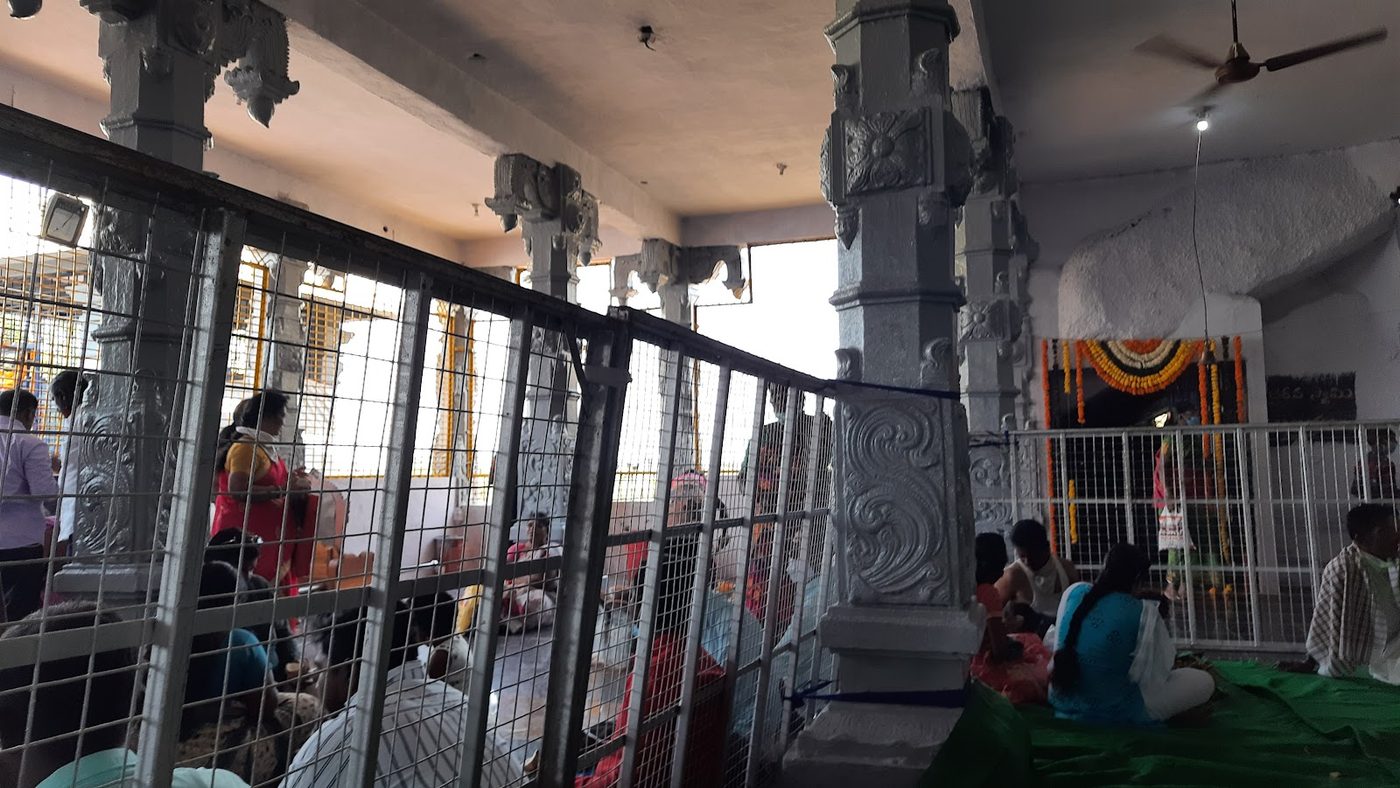
Rising from the plains of Kodavatur in Jangaon district, the Siddula Gutta — the “Hill of the Siddhas” — has drawn seekers for well over a thousand years. Local tradition traces the shrine to the 8th and 9th centuries CE, when Nath and Siddha yogis are believed to have chosen its slopes for penance.
At its heart lies a Swayambhu — self-manifested — Shiva lingam, worshipped within a natural cave. Legend, heritage and living faith meet here, layering the hill with stories the community has carried down through the generations.
Through the Ages
From the penance of the Siddhas to a daily-worshipped kshetram, the hill has gathered its story across the centuries.
- 8th–9th century CE
The Siddhas' Penance
Nath-Siddha yogis — Matsyendranath, Gorakhnath and Kanikanath — along with Jain Tirthankaras, are said to have performed penance on this hill and worshipped the cave lingam. It is from them that the hill takes its name, Siddula Gutta — the Hill of the Siddhas.
- 11th–13th century CE
Kakatiya-Era Heritage
During the Kakatiya age, black-granite sculptures, a carved stone gateway (shilatorana), an underground passage (sorangam) and stone inscriptions were raised on and around the hill — heritage that survives to this day.
- 1693 CE
Sri Mahant Swami's Vision
Guided by a dream in which Lord Shiva revealed that he dwelt in the cave, the saint Sri Mahant Swami discovered a small lingam within, settled on the hilltop to serve it, and gave the hill its name — Siddulagutta.
- Today
A Living Kshetram
The Swayambhu lingam is worshipped daily, and thousands of devotees climb the hill — especially on Maha Shivaratri — keeping a devotion more than a thousand years old alive and flourishing.
Legends of the Hill
Passed down by word of mouth, these tales are cherished by the community as sacred tradition.
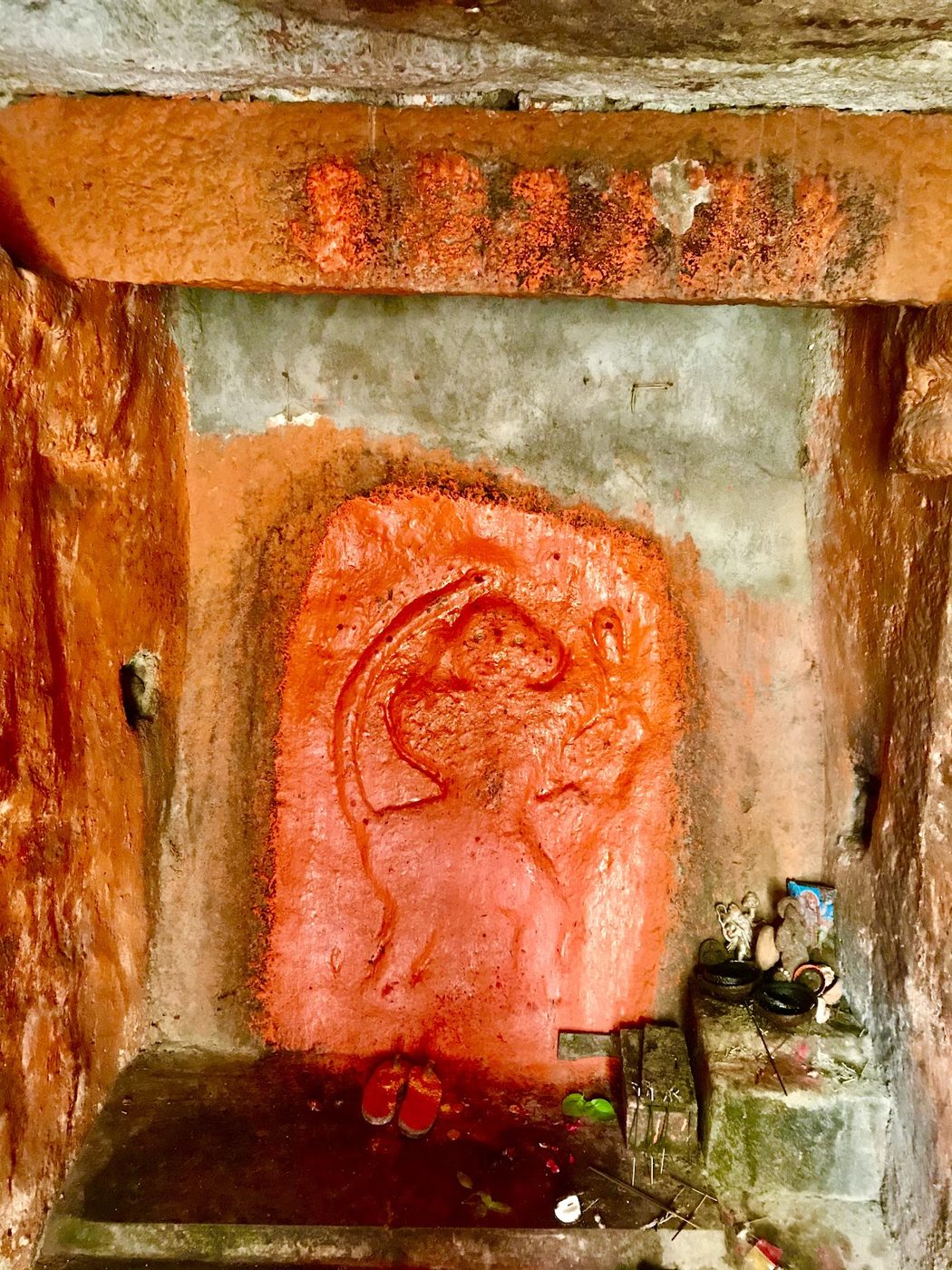
The Growing Lingam
The self-manifested (Swayambhu) Shiva lingam is worshipped within a natural cave. Devotees hold that it grows a little every year — by the measure of a betel nut or a finger's width.
A Dream on the Hill
In 1693, Lord Shiva is said to have appeared in Sri Mahant Swami's dream, declaring that he resided in the hill's cave and would fulfil the wishes of his devotees. The saint found the lingam there and stayed to serve it.
The Petrified Mango Grove
Tradition tells of a grove keeper who tied sandals to the mango trees to frighten off thieves. Offended by the insult to the trees, sages turned them to stone — and the petrified remains are said to endure on the hill.
The Healing Waters
Underground tunnels are believed to run through the hill, and a sacred well whose waters are said to cure skin ailments draws devotees who come seeking relief.
The Kakatiya Legacy
Beyond the legends, the hill carries the enduring imprint of the Kakatiya age — sculptures, gateways and inscriptions that root the shrine firmly in Telangana's history.
Sri Mukkanteeshwara Temple
The nearby temple is traditionally attributed to the Kakatiya king Prataparudra.
Black-Granite Sculptures
Stone sculptures on the hill are dated to the 11th–13th centuries CE.
Gateway & Passage
A carved stone gateway (shilatorana) and an underground passage (sorangam) survive on the hill.
Ancient Inscriptions
Two ancient inscriptions, now damaged, are found upon the hill.
Nearby Heritage
The devotional landscape extends well beyond the shrine itself, weaving Jain, Shaiva and Vaishnava threads through the surrounding countryside.
Obulkeshvapuram (Keshavapuram)
Nearby Obulkeshvapuram is reported to hold 12th-century Kalyani Chalukya trilingual inscriptions — Jain, Shaiva and Vaishnava — alongside the ruins of an old fort, testament to a region where many faiths once flourished side by side.
A Heritage Held in Faith
Whether measured in centuries or in the quiet devotion of a single climb up the hill, Siddula Gutta remains a place where the sacred and the ancient are one. Pilgrims come not only to worship the Swayambhu lingam, but to walk among stones that have witnessed a millennium of prayer.
ॐ నమః శివాయ
Much of this early history is folkloric and oral tradition. Dates and heritage details are drawn from regional press and community accounts, and are shared here as heritage rather than certified historical fact.